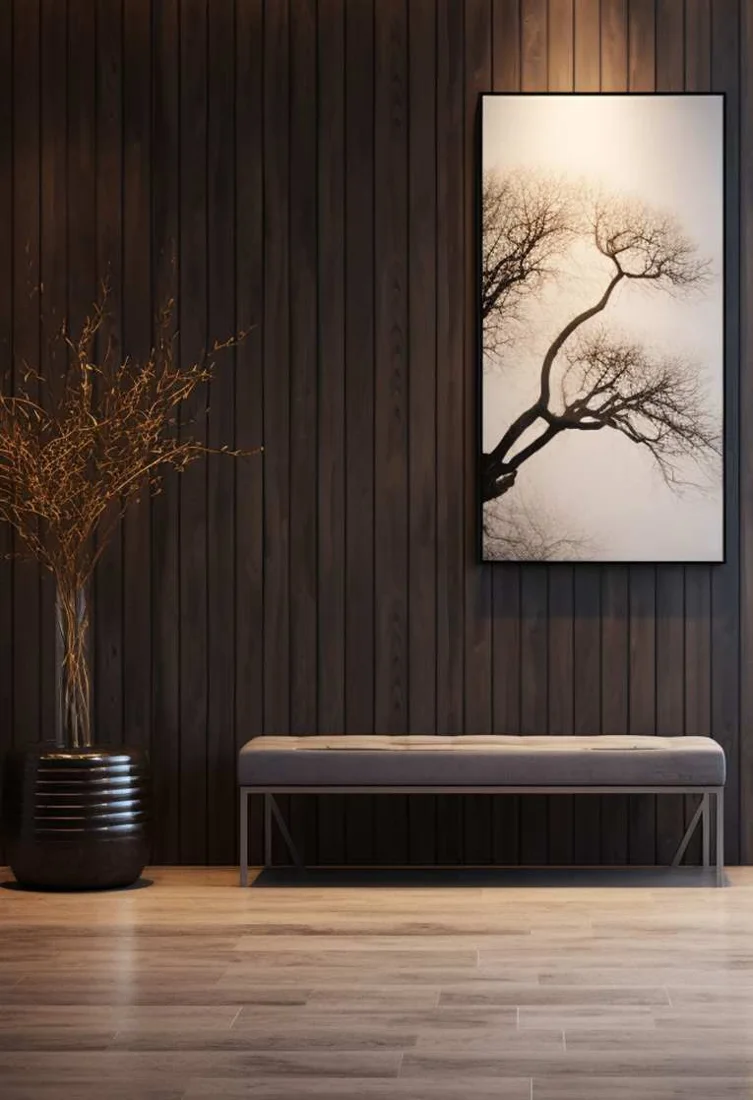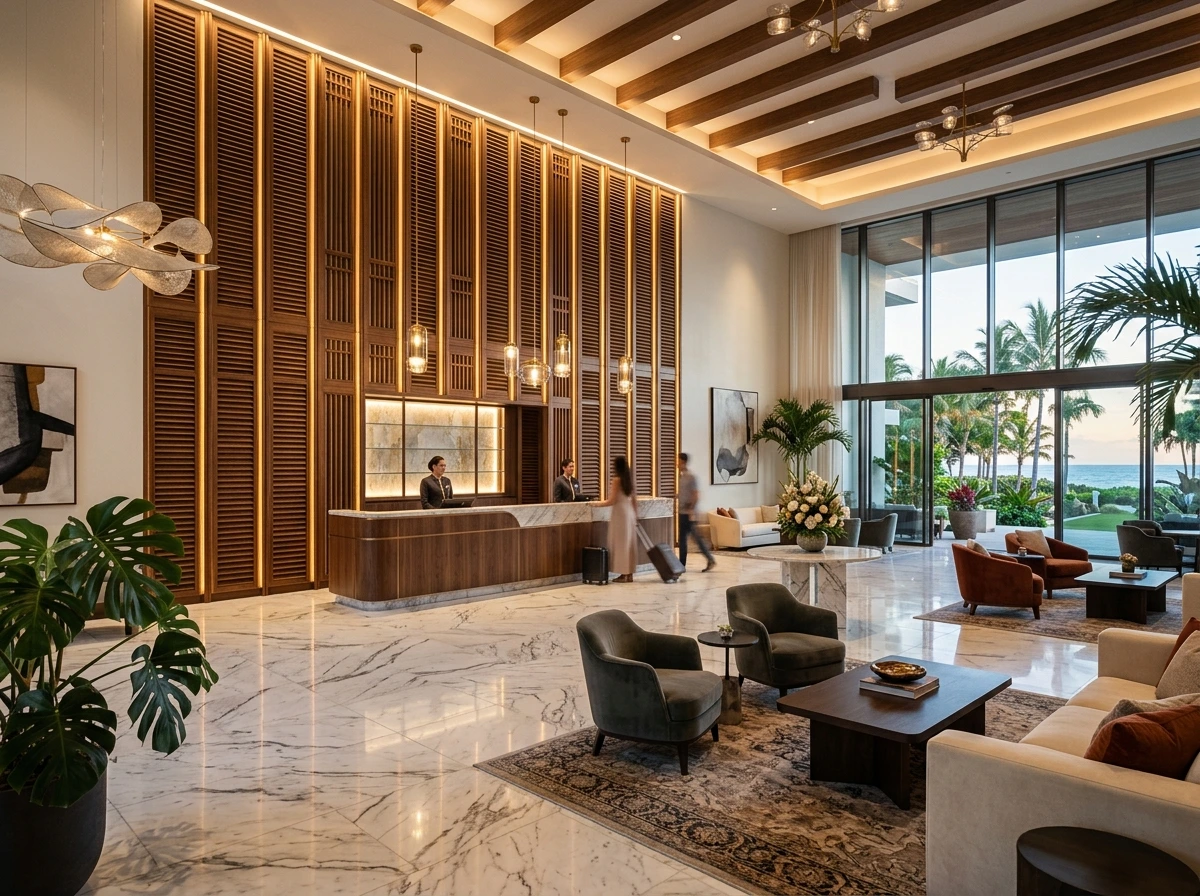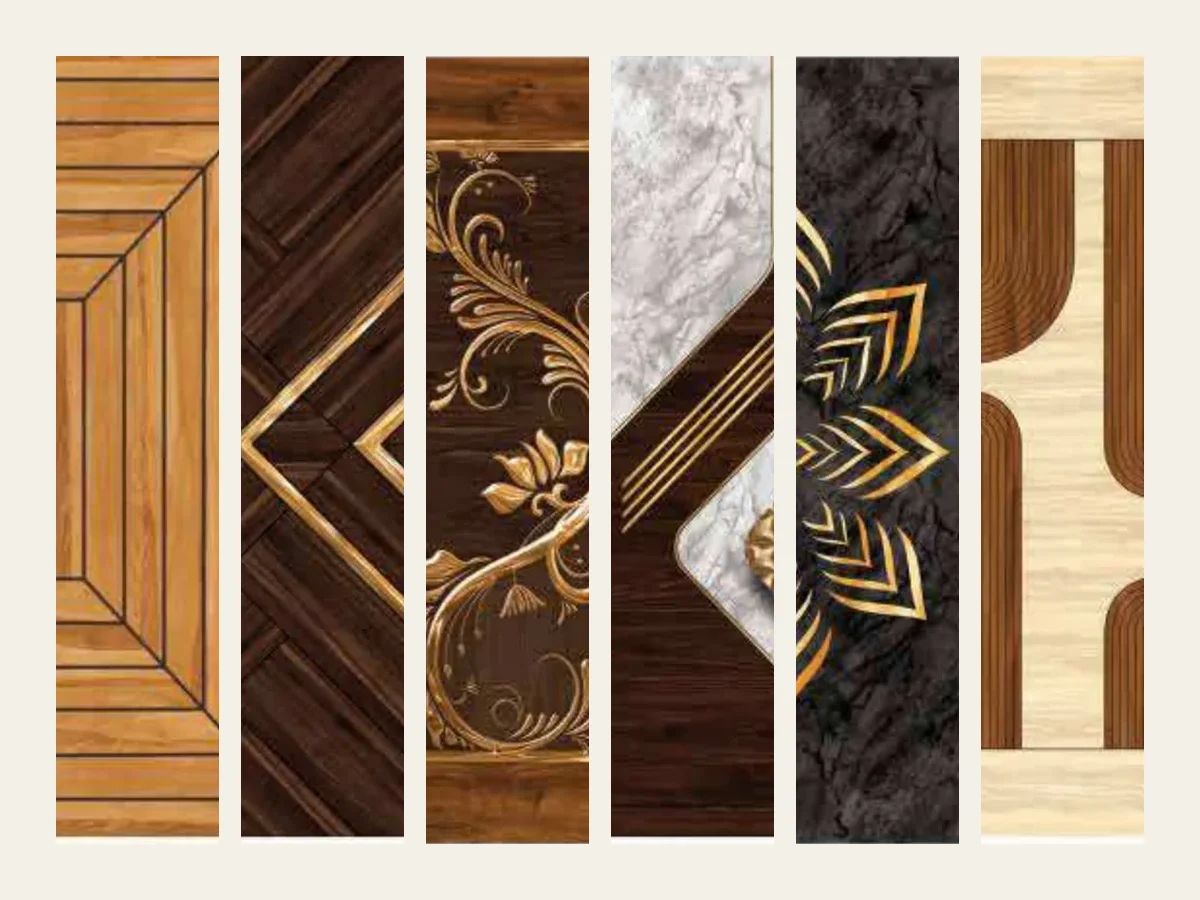
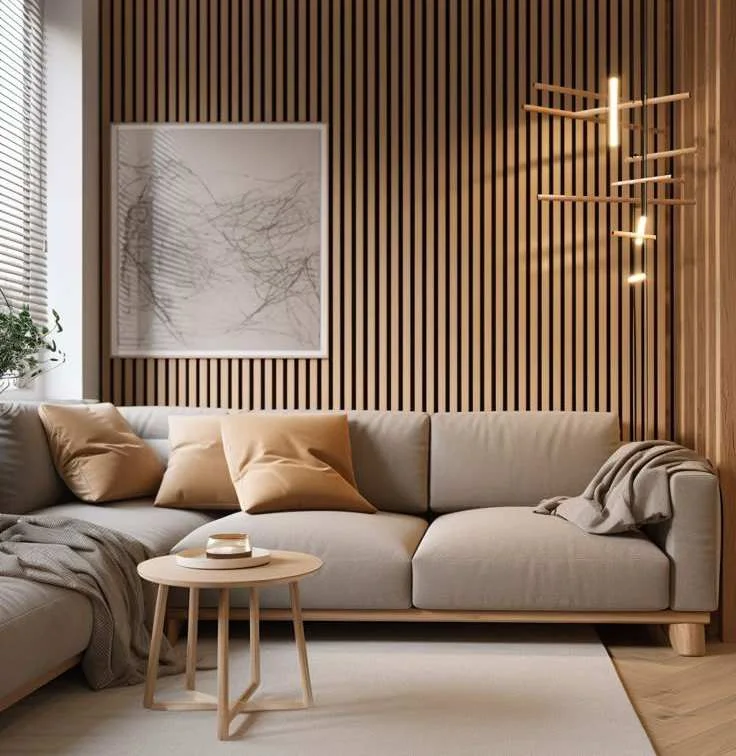
Sometimes the difference between an ordinary interior and a thoughtfully designed interior comes down to one detail: surface treatment.
A plain painted wall is functional.
A textured wall is decorative.
But a carefully designed louver wall can become an architectural feature.
Green Plastwood's 15 mm 8G WPC/PVC Louver range is designed around this idea—bringing profile, texture and repeated lines into interior design.
What Is A 15 Mm 8G WPC Louver?
A WPC louver is a profiled architectural panel used to create decorative linear surfaces.
The 15 mm 8G product is one of the dedicated louver formats in the product material.
Rather than treating the louver as an isolated product, it is better to look at it as a design system.
The visual effect depends on:
- Profile
- Spacing
- Direction
- Colour
- Lighting
- Wall dimensions
- Surrounding materials
This makes louvers particularly interesting for contemporary interiors.
Why Are Louvers Becoming A Design Element?
Modern interiors increasingly use texture to create visual depth.
Instead of filling every wall with artwork, designers can create interest through:
- Fluted surfaces
- Linear profiles
- Wall cladding
- Wooden textures
- Geometric patterns
- Layered materials
WPC louvers fit naturally into this design language.
Where Can 15 Mm Louvers Be Used?
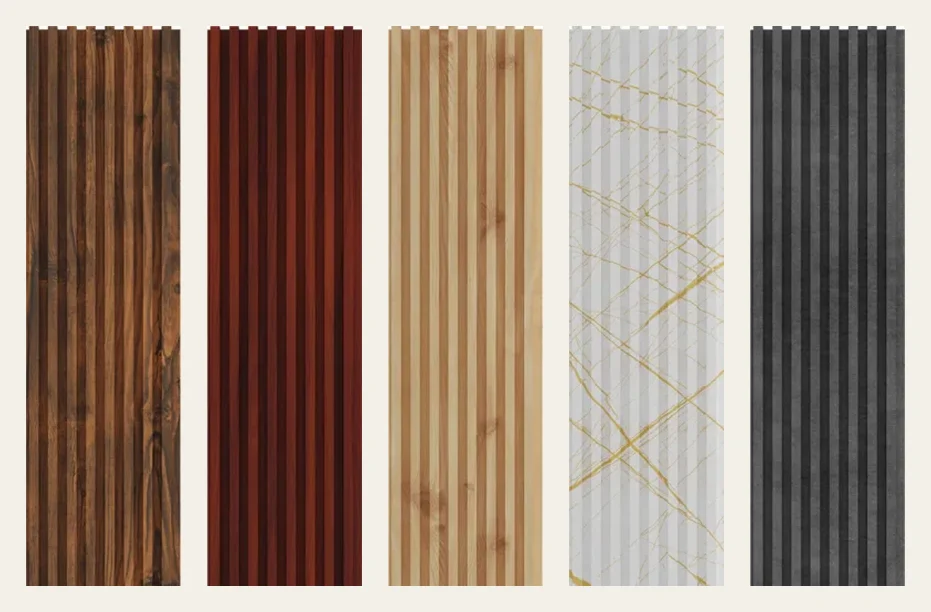
Feature Walls
A louver wall behind a television, bed or reception desk can become the visual anchor of the room.
Office Interiors
Louvers can add a more architectural character to:
- Reception areas
- Meeting rooms
- Waiting areas
- Workspaces
- Display zones
Residential Interiors
Potential applications include:
- Living rooms
- Bedrooms
- Dining areas
- Entrance walls
- Decorative ceilings
Partitions
Louver arrangements can also be used where designers want separation without creating the visual heaviness of a completely solid wall.
What Makes The Design More Important Than The Product Alone?
Imagine two identical louver panels.
One is installed without considering proportions.
The other is installed with carefully planned spacing, lighting and surrounding materials.
The products may be identical.
The final visual result won't be.
That's why a louver project should begin with design planning.
Consider:
Wall Width
Large walls can accommodate stronger repeating patterns.
Lighting
Linear lighting can emphasise the shadows created between profiles.
Colour
Teak-inspired tones can complement warm interiors, while grey and other contemporary tones can create a more modern appearance.
Furniture
The louver should support—not compete with—the furniture.
WPC Louvers Vs Traditional Wooden Detailing
Green Plastwood positions its WPC products as an alternative to conventional wood-based construction materials.
Its catalogue highlights characteristics such as moisture resistance, termite resistance, weather resistance, fire retardancy and recyclability.
The company also states that its products are designed to be processed using traditional tools, depending on the product category.
For architects and contractors, this makes the product worth considering when evaluating architectural surface materials.
What Should You Check Before Buying?
Don't choose a louver based only on a photograph.
Ask:
- What is the exact profile?
- What are the dimensions?
- What finish is available?
- What colours are available?
- Is it meant for interior or exterior use?
- What fixing system is required?
- What accessories are needed?
- What quantity is required?
- What is the installation method?
This helps avoid choosing a product based only on appearance.
Conclusion
A wall doesn't need to remain a flat surface.
With the right profile and installation, it can become an important part of the architecture.
The 15 mm 8G WPC/PVC louver range gives designers another option for creating linear, textured and contemporary surfaces.
The key isn't simply choosing a louver. It's choosing the right profile for the right space.
Frequently Asked Questions
What is a 15 mm 8G WPC louver?
It is a WPC/PVC architectural louver profile designed for decorative surface applications.
Where can 15 mm WPC louvers be used?
They can be considered for walls, ceilings, partitions and other interior applications according to the product specification.
Can WPC louvers be used in offices?
Yes, they can be considered for office interiors, reception areas and architectural partitions.
Can WPC louvers be used on feature walls?
Yes. Feature walls are one of the most natural applications for linear louver systems.