
How To Choose The Right WPC Door
A wooden or flush door in a bathroom swells at the bottom and stops closing. A WPC door does not absorb water, so it keeps its size and shape in bathrooms, kitchens and washed-down corridors, and termites and borers do not attack it.
Greenplastwood makes doors in two constructions and several finishes. This guide helps you choose the right combination for each opening.
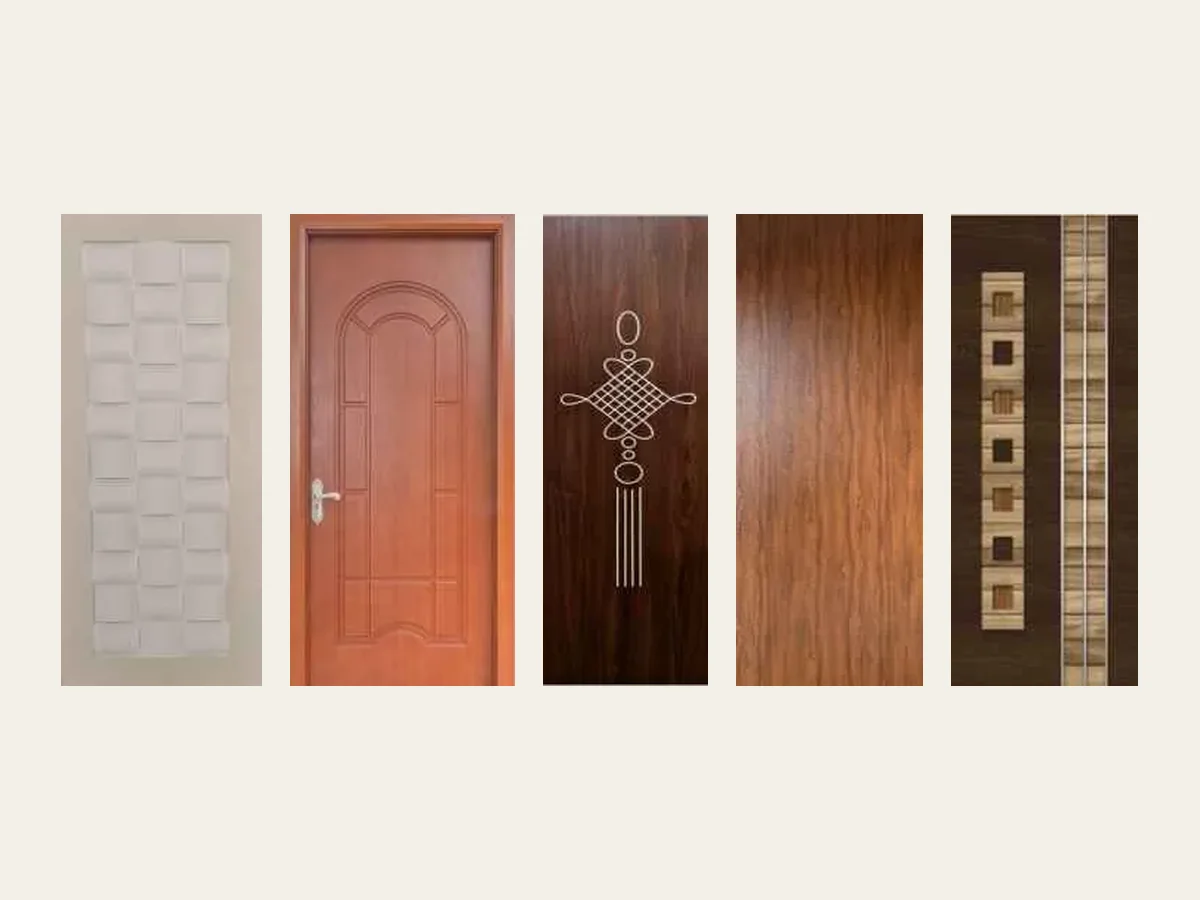
Step 1: Choose The Construction
| WPC Solid Door | WPC 3 Layer Door | |
|---|---|---|
| Build | A single solid WPC core | A WPC core between two rigid PVC skins |
| Surface | Smooth WPC face, ready for paint, laminate, texture or print | Harder, smoother face that stands up to daily knocks |
| Best for | Bathrooms, bedrooms, children's rooms and interior doors in homes | Hotels, schools, offices, hospitals and other high-use buildings |
| Both | 100% water proof, termite and borer proof, fire retardant | 100% water proof, termite and borer proof, fire retardant |
Step 2: Choose The Finish
- Plain or colour: a clean, simple door for bathrooms, utility rooms and projects with many identical doors.
- Laminate: a wide choice of laminate designs, applied on the WPC face like on any wooden door.
- Texture: a raised, tactile surface for main doors and rooms where the door is part of the design. See our texture door guide.
- Digital print: printed decorative designs for living rooms, bedrooms and commercial interiors. See our digital print door guide.
Step 3: Match The Door To The Room
| Suggested door | |
|---|---|
| Bathroom and toilet | Solid door, plain or laminate |
| Bedroom and living room | Solid door with laminate, texture or digital print |
| Main entrance | Texture or digital print door with a matching chaukhat |
| Hotel, school, office, hospital | 3 layer door for daily heavy use |
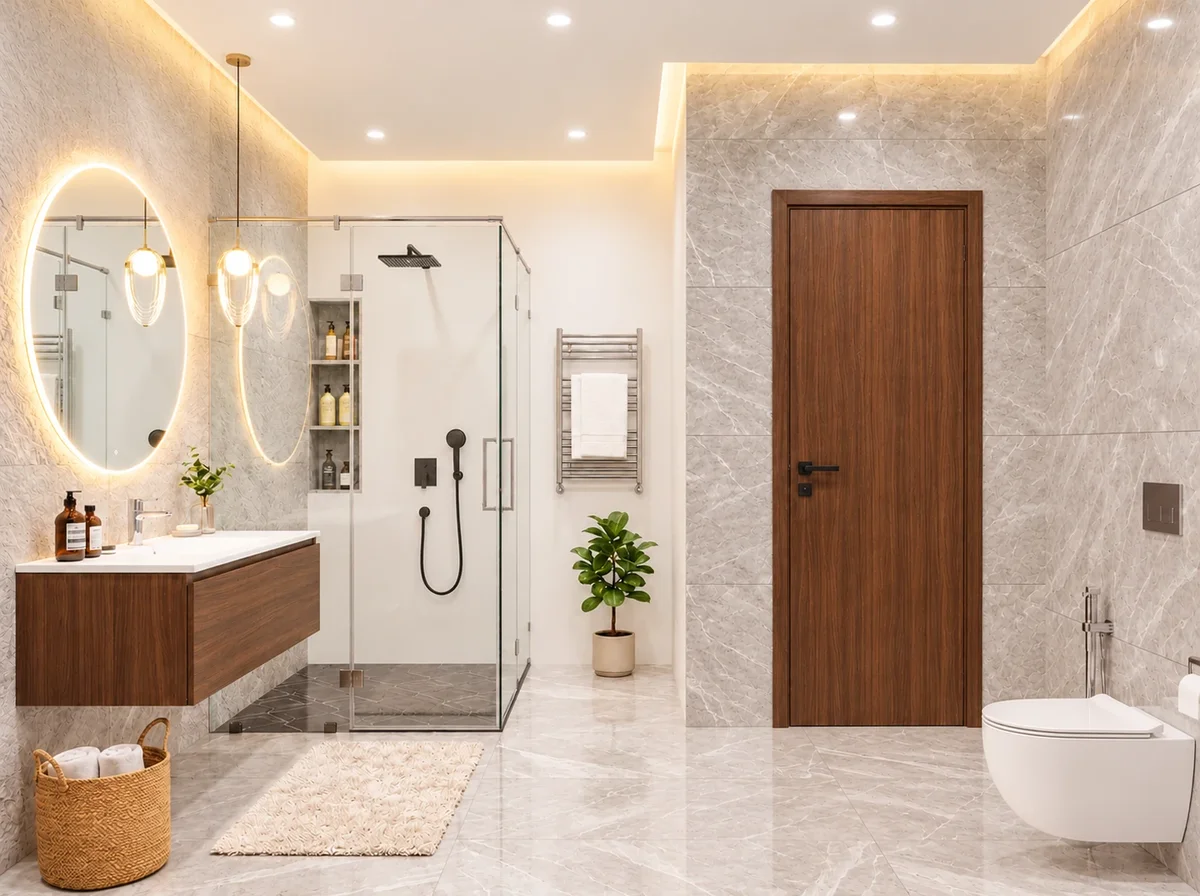
Step 4: Size And Thickness
Doors are made in standard sizes and in a range of thicknesses. A thicker door feels heavier and more solid, and is usually chosen for main doors and commercial buildings. For the full size and thickness list, see the WPC Doors product page or ask our team. Size, thickness and density can be customised on bulk orders.
Order the door and the frame together: a WPC door fitted in a WPC chaukhat gives a fully water proof opening, which matters most in bathrooms and kitchens.
Common Mistakes To Avoid
- Fitting a water proof door in a wooden frame in a bathroom, so the frame swells and rots.
- Using a lightweight interior door in a busy commercial corridor.
- Choosing a design from a screen only, without seeing a sample.
- Measuring the opening before the plaster and flooring are finished.
Common Questions
Are WPC Doors Suitable For Bathrooms?
Yes. They are 100% water proof, so they do not swell, rot or warp in bathrooms and other wet areas.
What Is The Difference Between A Solid And A 3 Layer Door?
A solid door has a single WPC core. A 3 layer door adds a rigid PVC skin on both faces for a harder surface that suits high-use buildings.
Can WPC Doors Be Painted Or Laminated?
Yes. They take paint, laminate, texture and digital print.
What Is The Minimum Order For Colours?
It depends on the door and the colour. Please contact our sales team for details.