We spend a surprising amount of time choosing walls, floors, furniture and lighting.
But doors often receive much less attention.
That is changing.
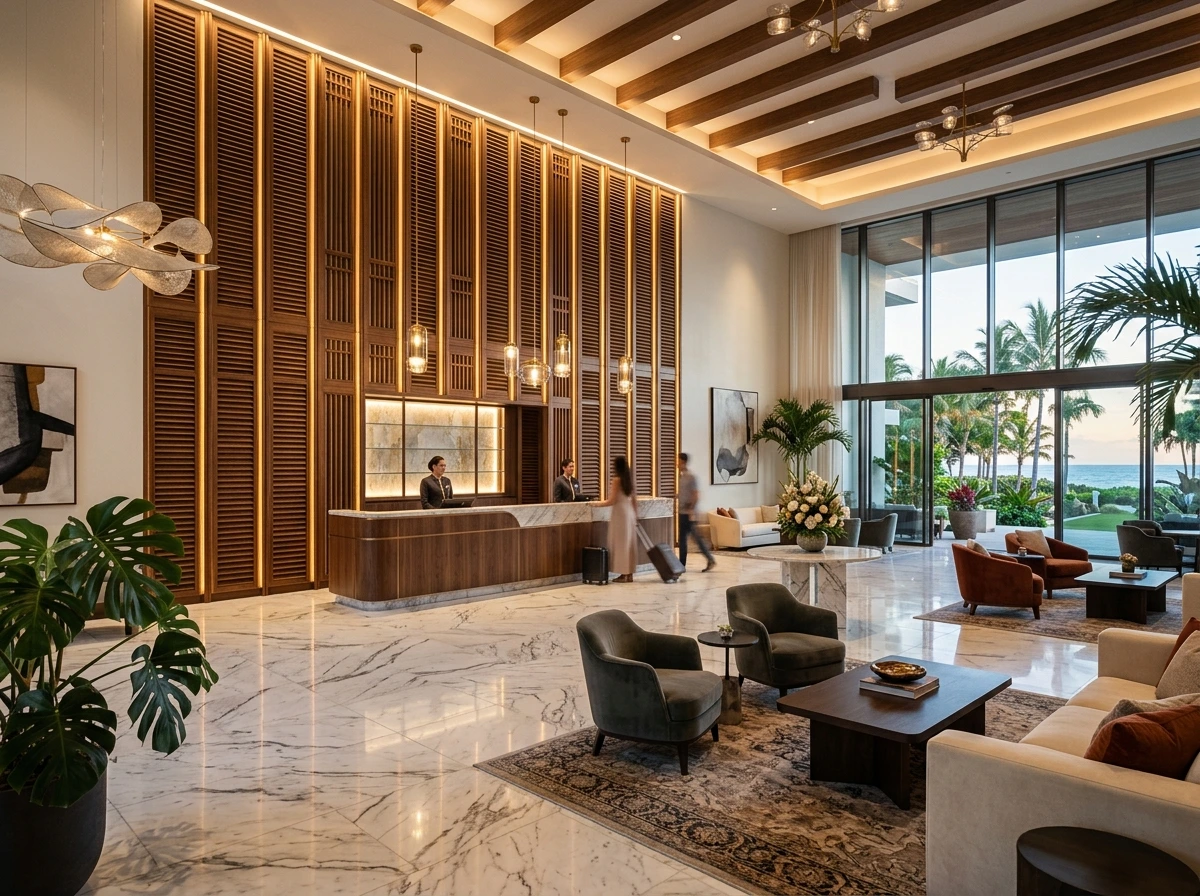
Modern interior design increasingly treats doors as part of the overall aesthetic.
A textured door can contribute to the character of a room instead of simply separating one space from another.
What Is A WPC Texture Door?
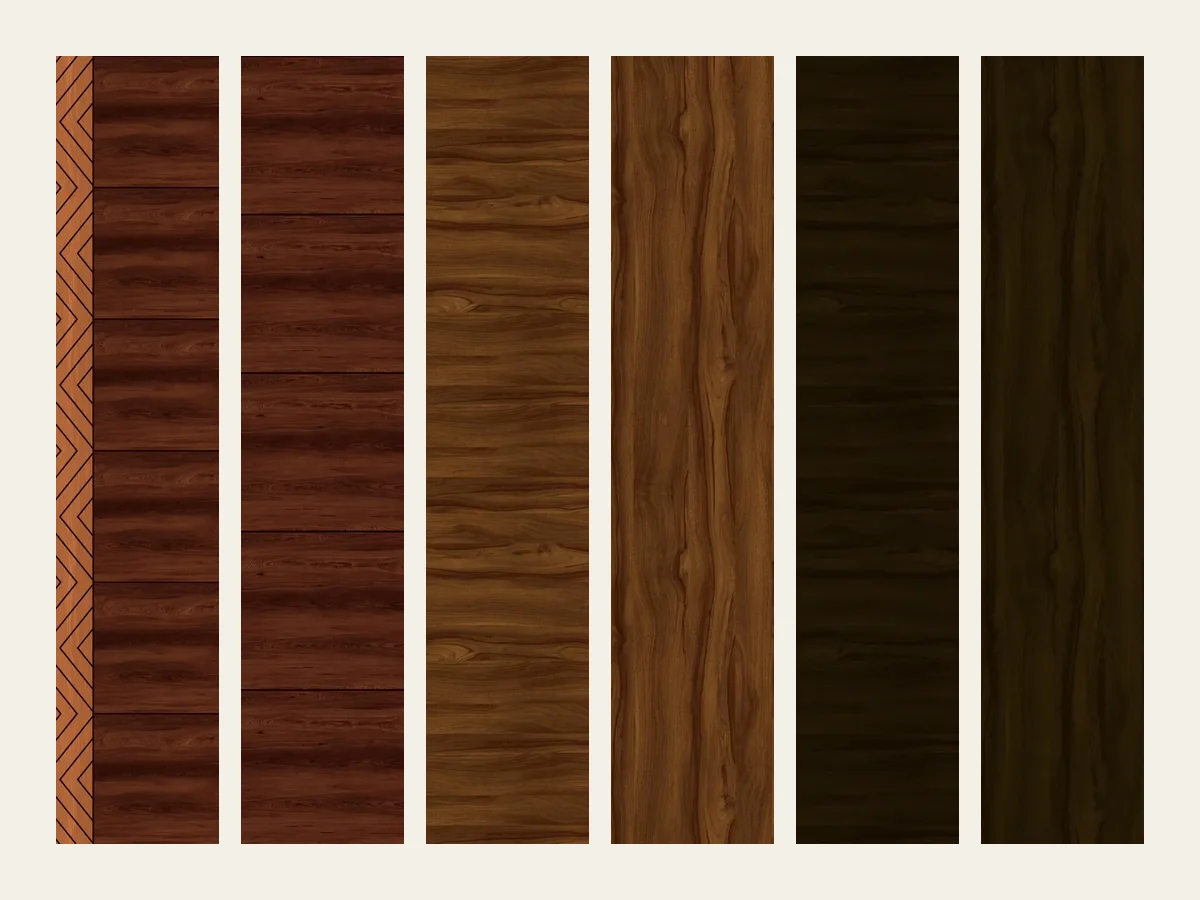
A WPC texture door is a WPC/PVC door featuring a textured surface design.
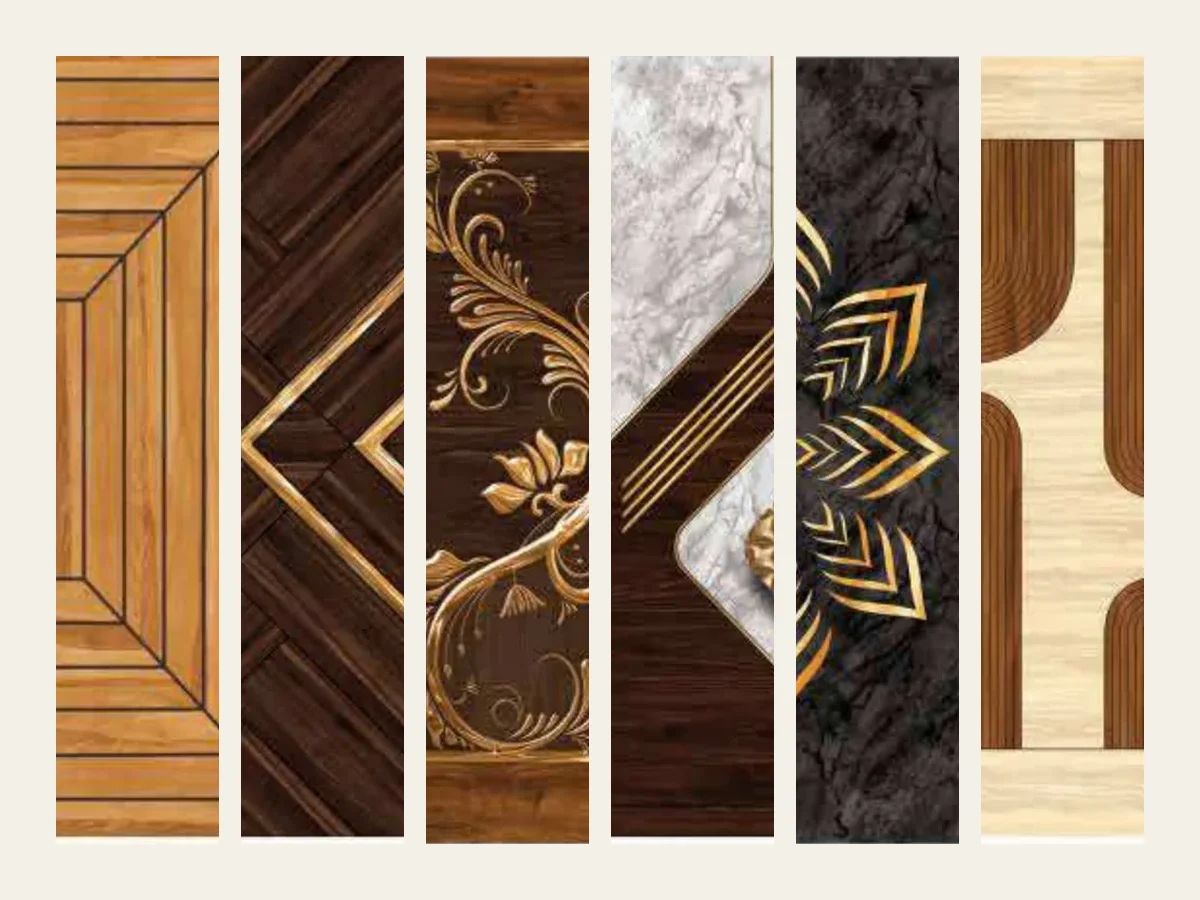
The Texture Door Catalogue presents six designs:
- SG-001
- SG-002
- SG-003
- SG-004
- SG-005
- SG-006
These designs give customers an alternative to completely plain door surfaces.
Why Does Texture Matter?
Texture creates visual interest.
A completely flat surface reflects light relatively uniformly.
A textured surface creates subtle variations in:
- Shadow
- Highlight
- Depth
- Pattern
- Visual movement
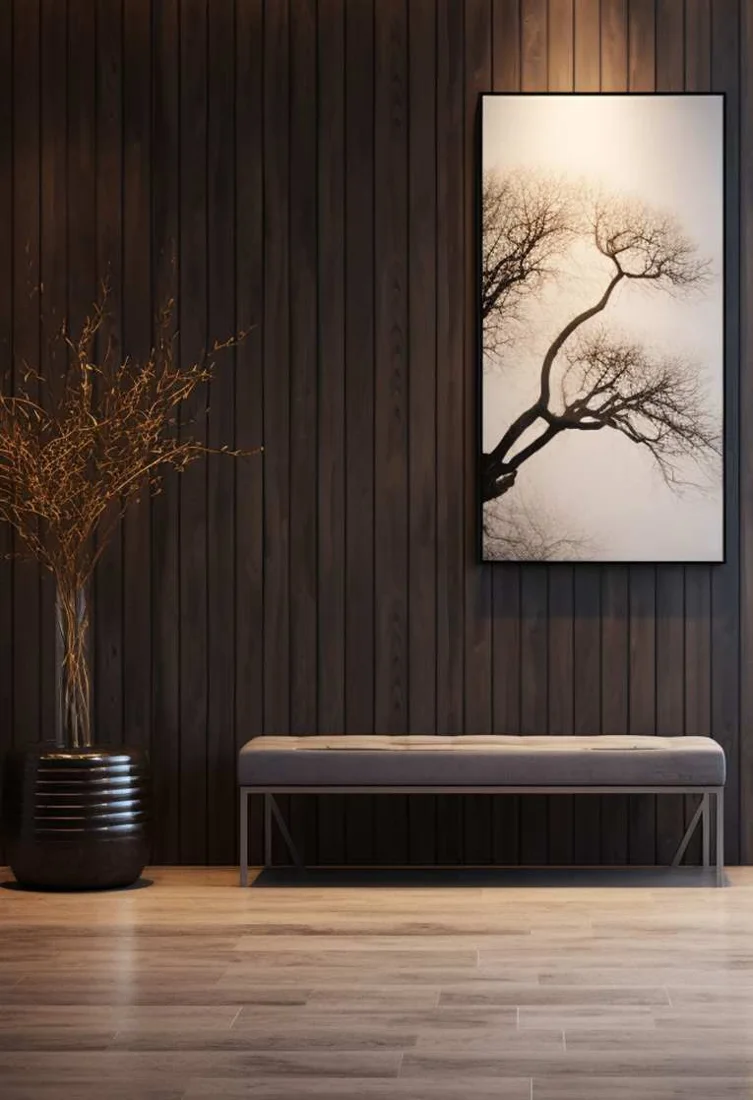
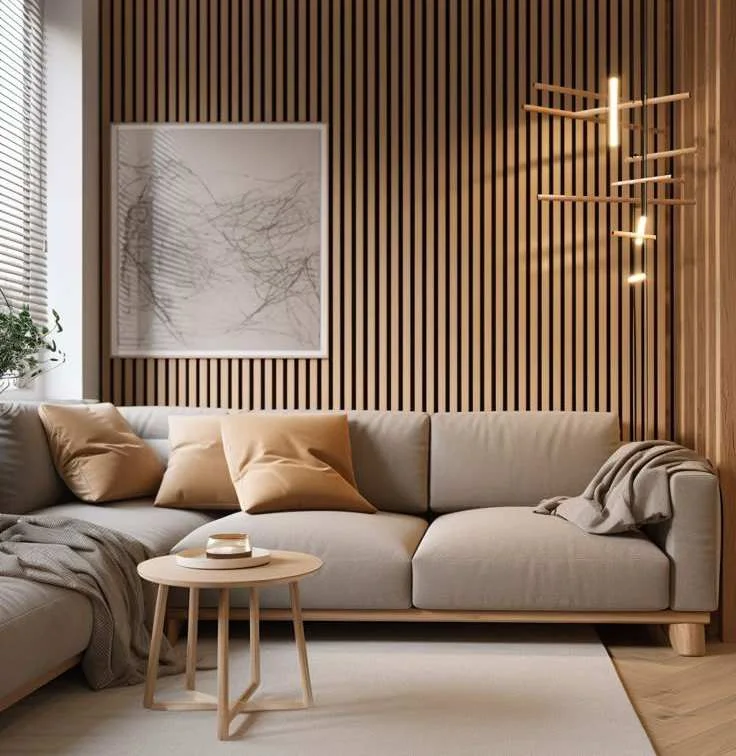
This is particularly useful when the rest of an interior follows a minimalist design language.
Instead of adding multiple decorative objects, the door itself can contribute to the room's visual character.
Where Can WPC Texture Doors Be Used?
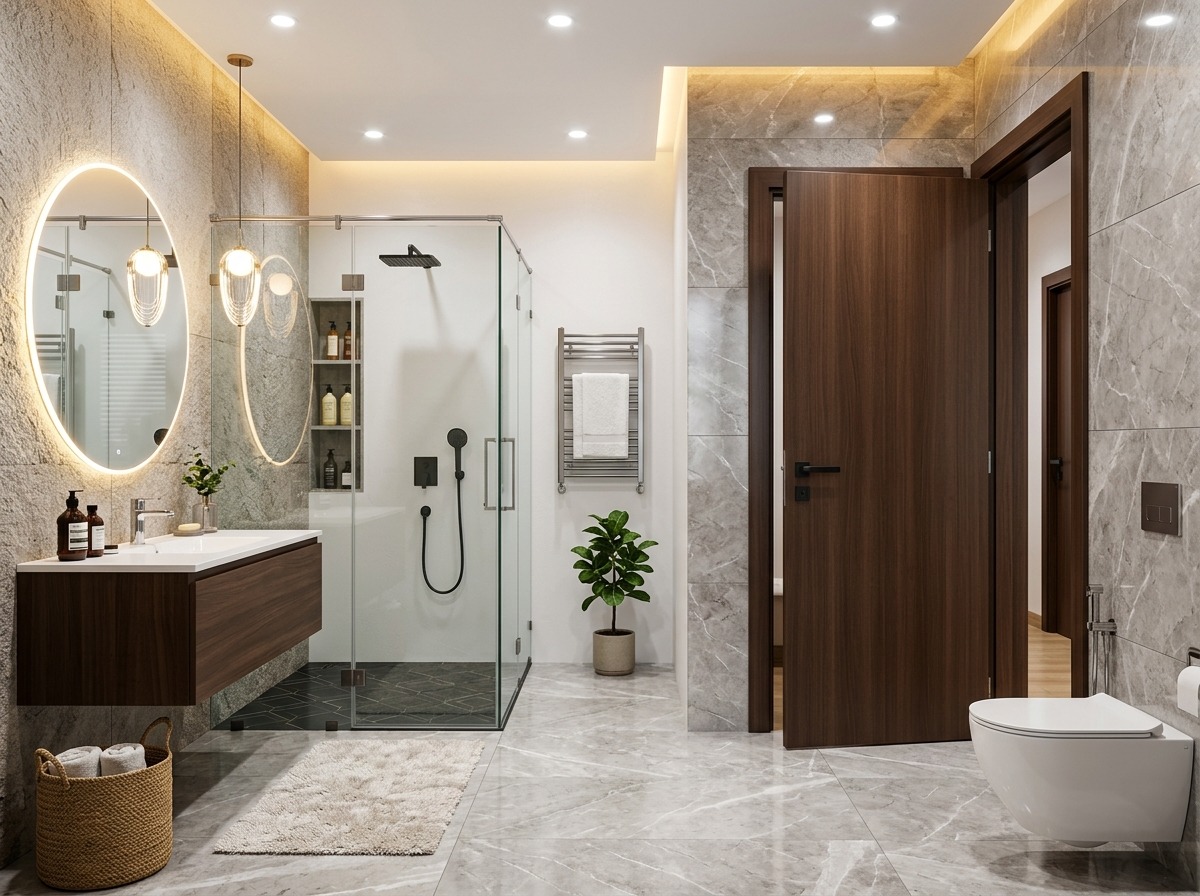
The Green Plastwood catalogue identifies multiple door applications, including:
Bathroom Doors
The wider WPC door range lists bathroom doors among its applications.
Children'S Rooms
A textured or decorative design can be selected according to the overall room theme.
Main Doors
For entrance areas where the door is part of the first visual impression.
Interior Doors
Bedrooms, living spaces and other internal rooms.
Office Partitions
The catalogue also identifies office partition applications.
Texture Door Vs Digital Door
These are not necessarily the same design approach.
A texture door focuses on the tactile/visual character of the surface.
A digital door focuses on a printed decorative design.
The right choice depends on the intended aesthetic.
Choose A Texture-led Design When:
You want:
- Subtle detailing
- Surface depth
- A more understated appearance
- A design that works with minimalist interiors
Consider A Digital Design When:
You want:
- A more graphic appearance
- A distinctive decorative pattern
- Greater visual emphasis on the door surface
How Do You Choose The Right Texture?
Start with the room rather than the door.
Ask:
What is already happening in the room?
If the room already has patterned flooring and detailed furniture, a subtle texture may work better.
If the room is minimalist, a more prominent door texture can become a useful design feature.
WPC As A Door Material
Green Plastwood's broader WPC catalogue identifies characteristics including:
- Water and moisture resistance
- Termite and borer resistance
- Fire retardancy
- Bacteria and fungus resistance
- Weather resistance
- Low maintenance positioning
- Recyclability
The exact performance requirements should always be checked against the specific door specification and intended application.
Conclusion
A door doesn't have to be visually anonymous.
The right texture can make it part of the architecture.
With six designs in the texture catalogue, Green Plastwood's WPC texture-door range gives designers a dedicated option for adding surface character to interior spaces.
Frequently Asked Questions
How many designs are in the Green Plastwood texture door catalogue?
The catalogue shows six designs, SG-001 through SG-006.
Where can WPC texture doors be used?
The wider catalogue lists bathrooms, children's rooms, main/interior doors and office partitions among its applications.
Are texture doors the same as digital doors?
No. Texture doors and digital doors represent different decorative approaches in the product catalogue.
Can WPC doors be used for bathrooms?
Bathroom doors are listed among the applications in the Green Plastwood catalogue.