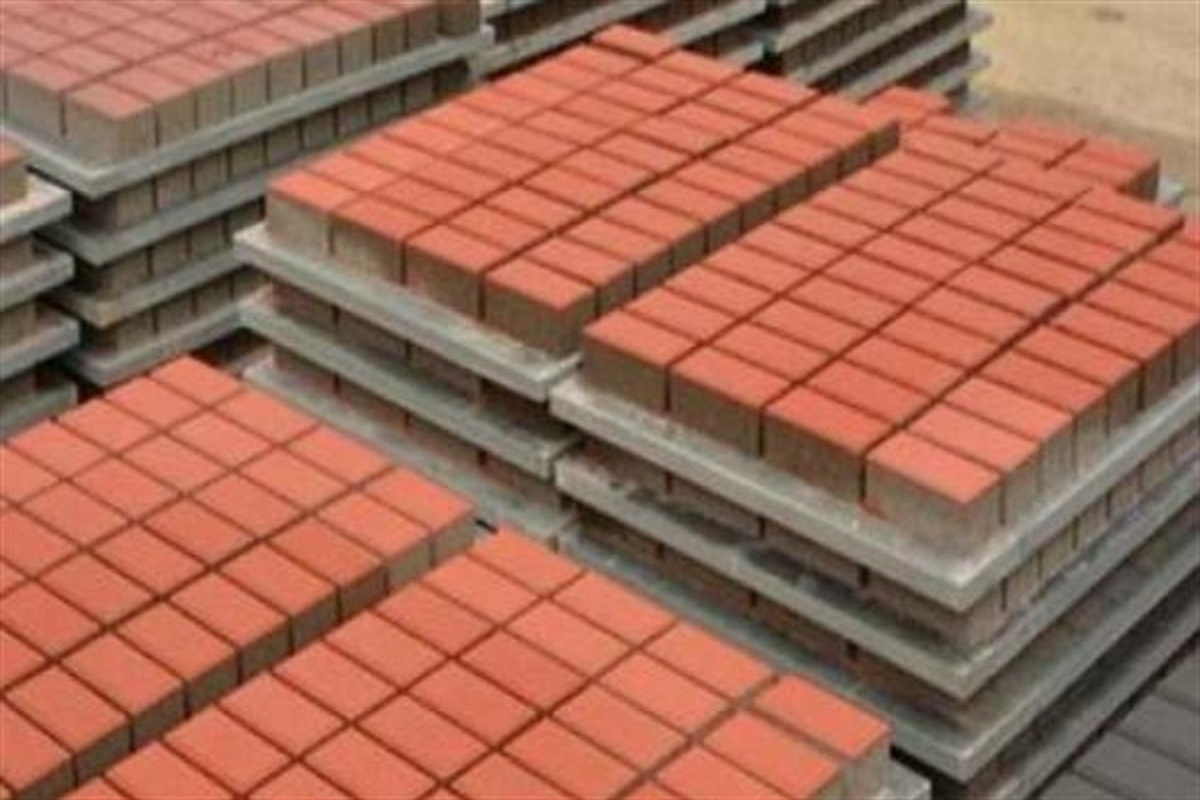
In fly ash brick and paver block manufacturing, the pallet may not be the first thing manufacturers think about.
But it is an important part of the production system.
The pallet needs to withstand handling, support manufactured products and work within the manufacturing process.
That raises an important question:
What material should a manufacturing pallet be made from?
Green Plastwood's pallet range is positioned as an alternative to conventional plywood, wood, metal and PVC pallets.
What Are Green Plastwood Plastic Pallets?
The catalogue describes Green Plastwood pallets as being made from a plastic-aluminium composite material.
It positions the pallets around:
- Water resistance
- Termite resistance
- Rust resistance
- Fire resistance
- Long life
- Cost effectiveness
- Heavy-load applications
Where Are These Pallets Used?
The product material specifically identifies:
Fly Ash Brick Manufacturing
The catalogue states that the pallets can support:
- Automatic machines
- Semi-automatic machines
- Manual manufacturing systems
Paver Block Manufacturing
The catalogue also positions the pallets for paver block manufacturing and stacking modules of different sizes and shapes.
What Sizes Are Available?
The catalogue lists multiple thicknesses and sizes.
For brick pallets, listed thicknesses include:
- 16 mm
- 18 mm
- 20 mm
- 25 mm
- 50 mm
Listed sizes include:
- 600 × 600 mm
- 600 × 700 mm
- 800 × 850 mm
- 950 × 750 mm
For another pallet category, the catalogue lists 8 mm and 12 mm thickness options and sizes including:
- 2440 × 120
- 1220 × 1220
- 1220 × 620
- 610 × 610
Exact selection should be based on the machine, mould, manufacturing process and product dimensions.
Physical Properties
The technical sheet reports:
| Property | Reported value |
|---|---|
| Density | 1.30 g/cm³ |
| Durometer Hardness | 31% |
| Elongation at Break | 70% |
| Tensile Strength at Break | 25.70% |
| Flexural Strength | 22.73 N/mm² |
| Impact Test | 827 blows |
| Screw Holding Strength | 134 kg |
| Nail Holding Strength | 12.67 kg |
| Water Absorption | 0.25% |
Important: These figures should be treated as catalogue-reported product data and verified against the applicable test standard and current technical specification before being used in procurement documentation.
Why Is Water Resistance Important?
Brick and paver manufacturing environments can involve moisture and repeated handling.
The catalogue specifically positions the Green Plastwood pallet material as water resistant and states that its boiling/air-dry test showed no delamination and its 72-hour boiling test showed no swelling.
For manufacturers, this is relevant when evaluating pallet material for their particular production conditions.
What About Buy-back?
The catalogue promotes a 20% buy-back offer.
Please confirm the current terms and conditions with SNG Eco India.
How Should Manufacturers Select A Pallet?
Before ordering, provide the supplier with:
- Machine type
- Brick/paver dimensions
- Mould dimensions
- Required pallet size
- Required thickness
- Expected load
- Manufacturing process
- Quantity required
- Handling conditions
This makes product selection much more precise.
Conclusion
A pallet is a production component—not simply a flat sheet.
Its material, thickness, dimensions and compatibility with the manufacturing process all matter.
For manufacturers of fly ash bricks and paver blocks, Green Plastwood plastic-composite pallets provide an alternative product category to evaluate against conventional pallet materials.
Frequently Asked Questions
What are plastic pallets used for?
Green Plastwood's catalogue specifically positions them for fly ash brick and paver block manufacturing.
Can they be used with automatic machines?
The catalogue states that they support automatic, semi-automatic and manual machine types.
What pallet thicknesses are available?
The catalogue lists multiple thicknesses including 16 mm, 18 mm, 20 mm, 25 mm and 50 mm for brick pallets.
What is the reported water absorption?
The technical sheet reports 0.25%.
Is there a buy-back facility?
The catalogue advertises a 20% buy-back offer; current terms should be confirmed with the supplier.