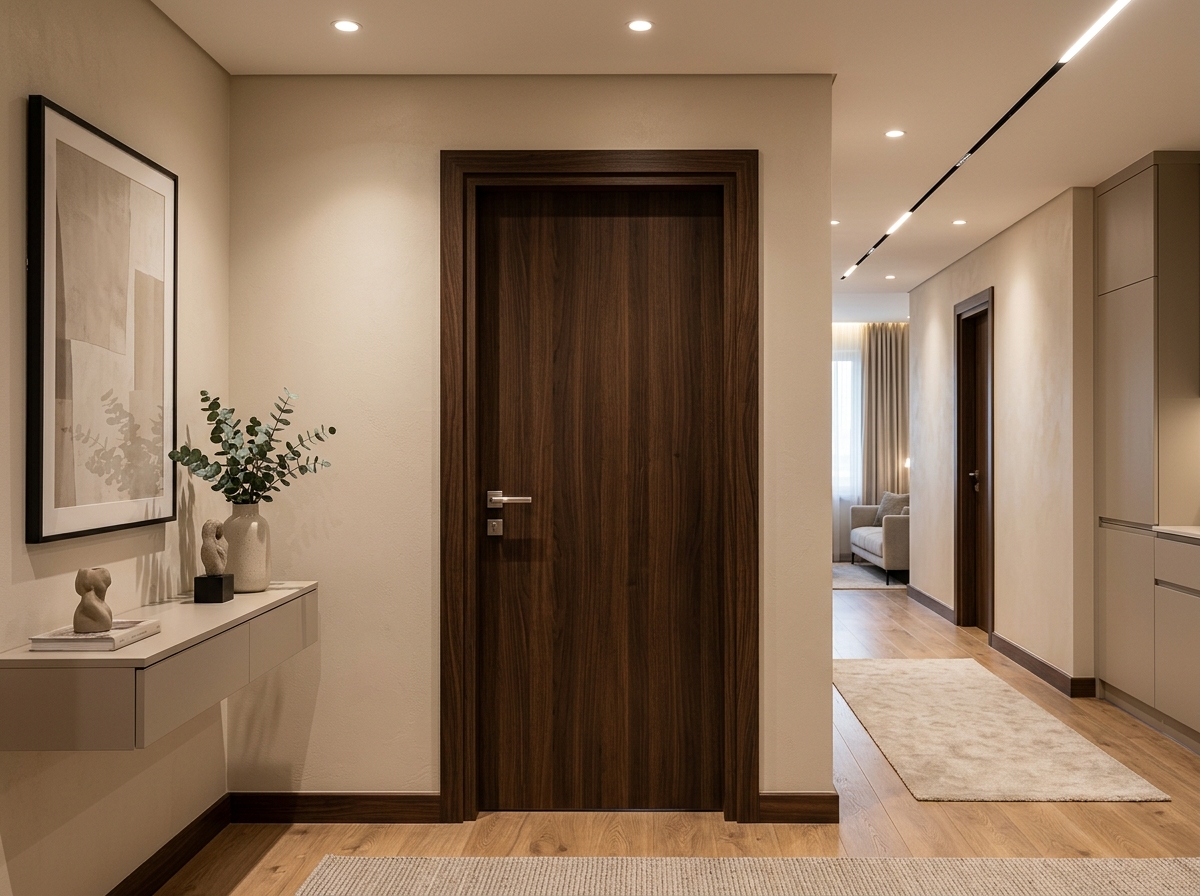
When people hear WPC, they often think about one product.
Perhaps a door.
Perhaps a board.
Perhaps a decorative wall.
But WPC is actually a broader material category with multiple construction and design applications.
Green Plastwood's product range demonstrates exactly how broad that ecosystem can be.
What Is WPC?
WPC stands for Wood Plastic Composite.
The material is positioned as an alternative building material combining properties relevant to construction and architectural applications.
Green Plastwood states that its WPC building materials are formaldehyde and lead free and positions the range around sustainable building solutions.
What WPC Products Does Green Plastwood Offer?
The catalogue identifies:
- WPC door frames
- WPC solid doors
- WPC 3 layer doors
- WPC boards/sheets
- WPC 3 layer boards
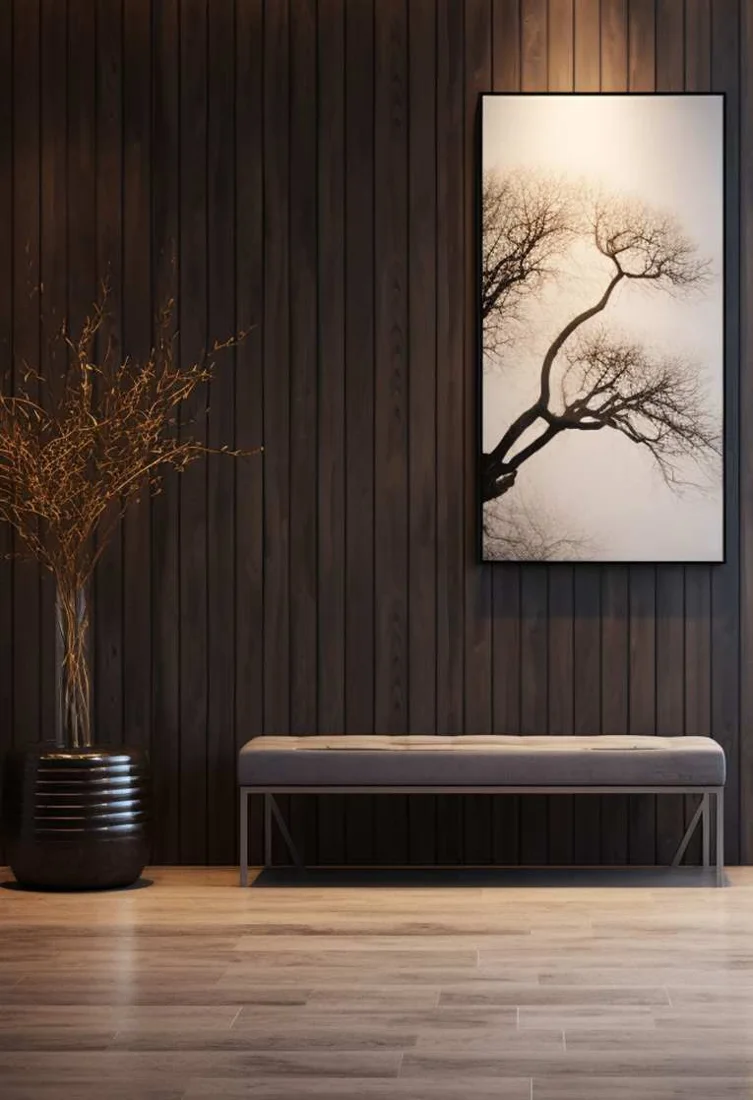
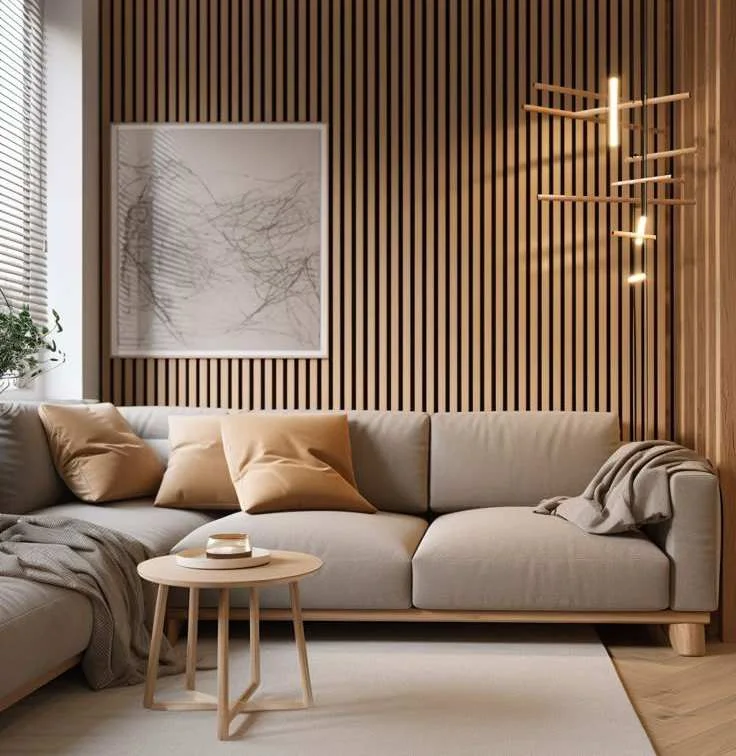
- WPC interior products
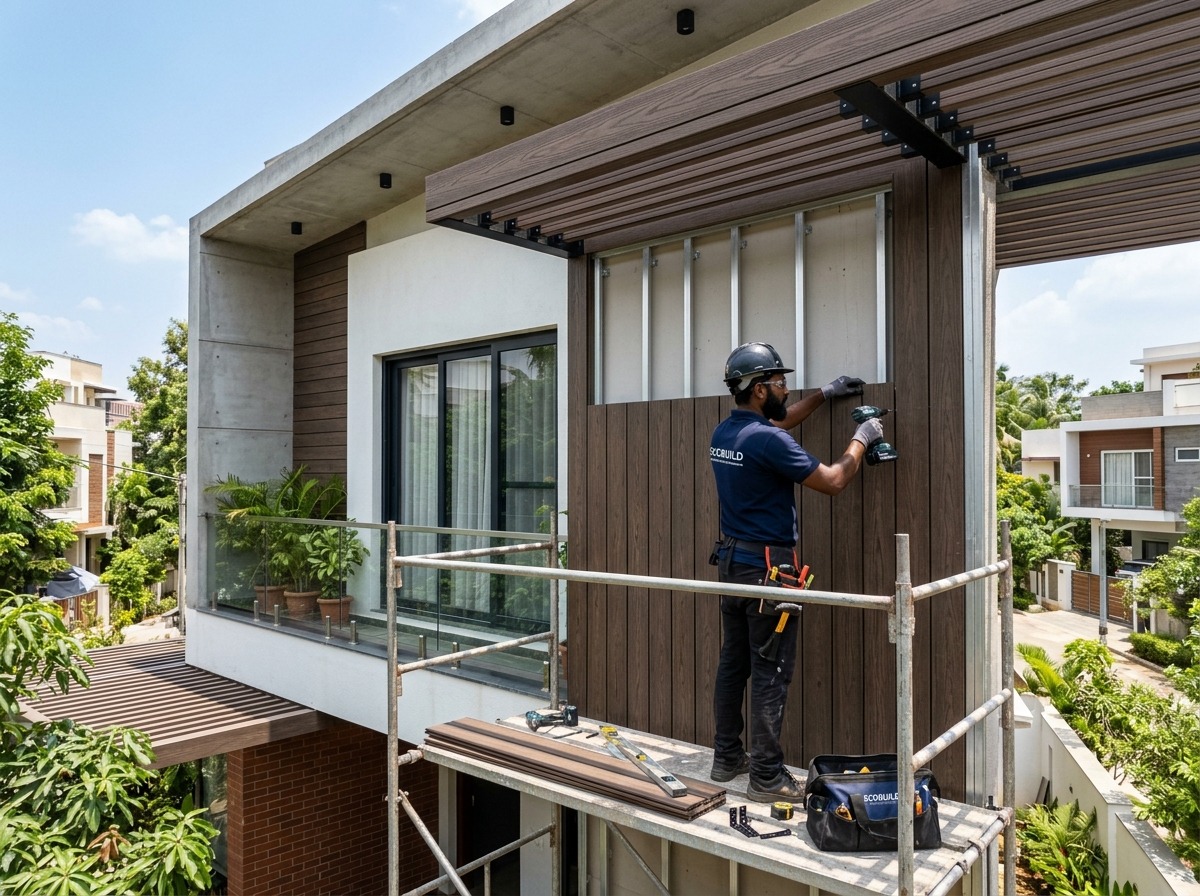
- WPC exterior products
This means WPC can be evaluated across several stages of a project.
1. WPC Door Frames
The Green Plastwood door-frame range is positioned around characteristics including water resistance, termite and borer resistance, fire retardancy and high load-bearing capacity.
The catalogue lists several frame sizes and lengths from 7 ft to 10 ft, with size customisation possible for bulk orders.
2. WPC Solid Doors
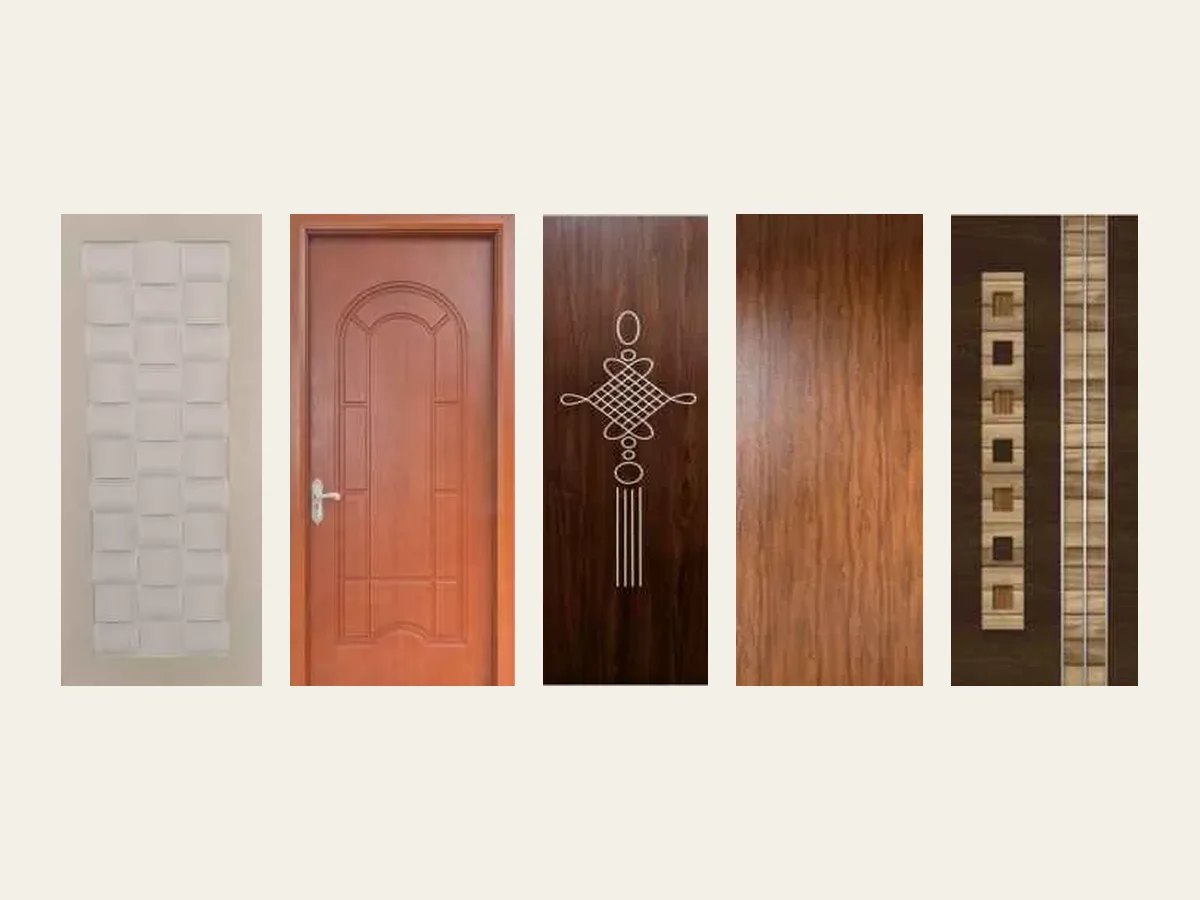
The catalogue lists solid doors in multiple thicknesses, including:
17, 18, 24, 25, 28, 30, 32 and 35 mm, among others.
Standard door dimensions listed include:
- 27 × 78
- 30 × 81
- 33 × 84
- 36 × 81
- 38 × 84
The catalogue also states that bulk-order thickness, width, length and density can be customised.
3. WPC 3 Layer Doors
The 3 layer door range includes thicknesses such as 24, 25, 28, 30, 32 and 35 mm.
The catalogue lists applications including:
- Interior doors
- Hotel room doors
- School doors
- Classroom doors
- Bathroom doors
- Main doors
- Office doors
4. WPC Boards And Sheets
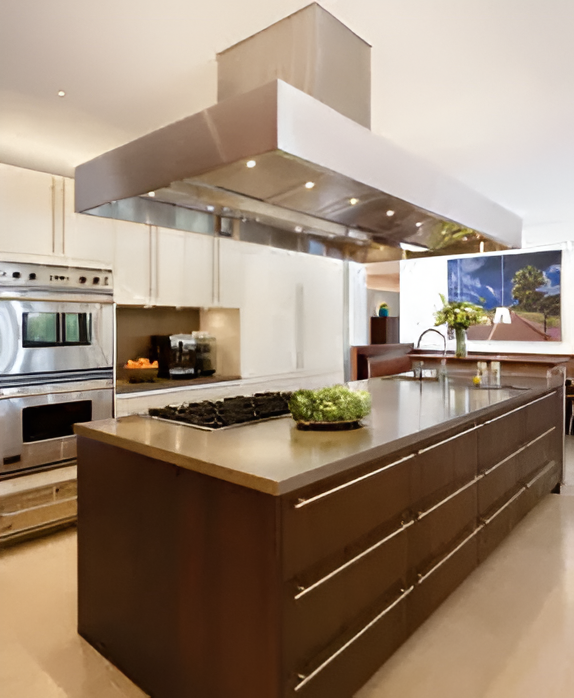
The solid board/sheet range includes thicknesses from 5 mm upward and standard dimensions of 8 ft × 4 ft.
The catalogue lists density ranging from 450 kg/m³ to 600 kg/m³, with customisation up to 750 kg/m³ according to order requirements.
Applications include:
- Kitchen cabinets
- Bathroom cabinets
- Bathroom doors
- Children's room furniture
- Modular kitchens
- Wardrobes
- Office furniture
- Reception areas
- Hospitals
- Decorative grilling
- Modern interior architecture
- Cubicles and partitions
Why Is WPC Interesting For Modern Construction?
The catalogue highlights:
- Water/moisture resistance
- Termite resistance
- No shrinking/no swelling
- Fire retardancy
- Borer resistance
- Corrosion resistance
- Outdoor adaptability
- Weather and ageing resistance
- High screw adaptability
- Sawing and cutting
- Traditional-tool processing
For builders and designers, this creates multiple potential use cases.
Who Should Consider WPC?
WPC products can be relevant to:
- Architects
- Interior designers
- Builders
- Contractors
- Furniture manufacturers
- Developers
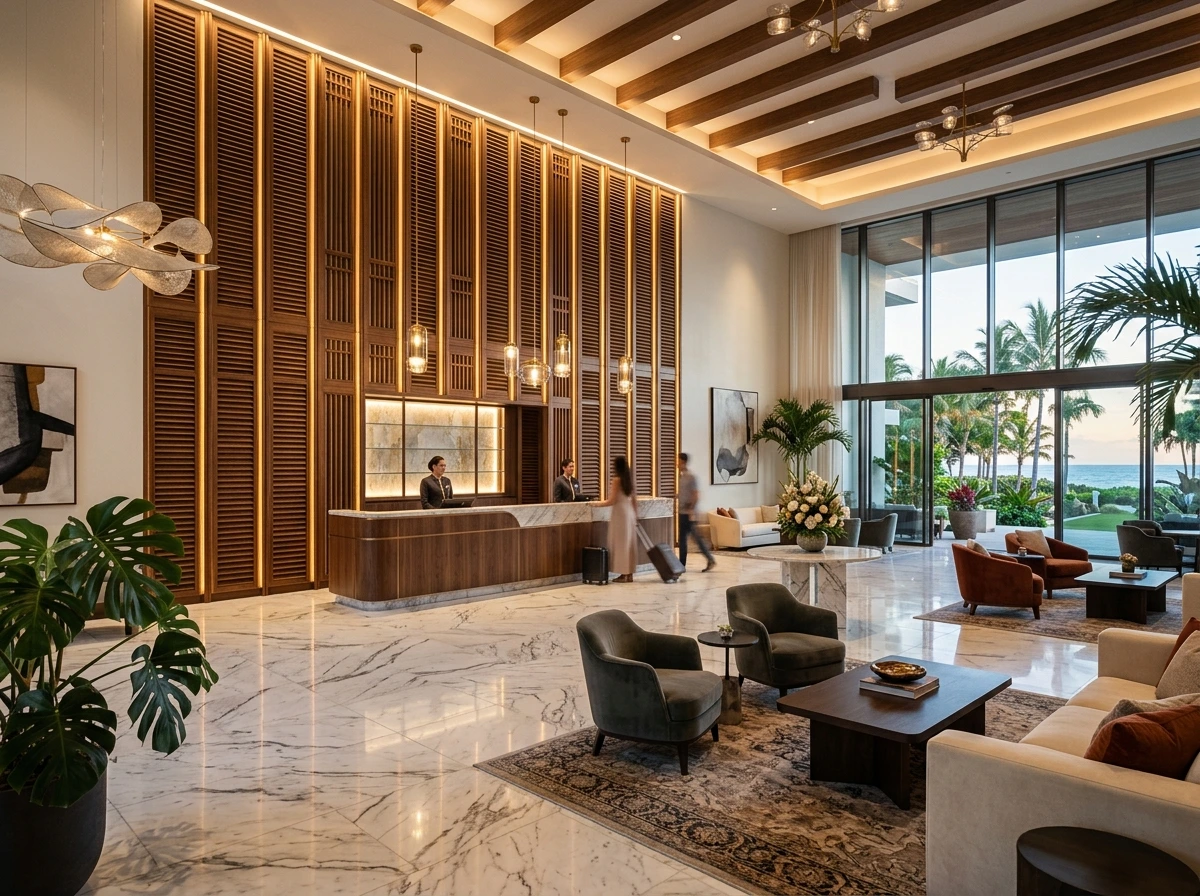
- Hospitality projects
- Institutional projects
The correct product depends on the application and specification.
Conclusion
WPC is not simply a replacement for one material.
It is a broader product category that can be evaluated for:
Frames → Doors → Boards → Furniture → Walls → Partitions → Exterior applications
That is what makes the Green Plastwood range relevant for projects that require multiple building-material solutions from one product family.
Frequently Asked Questions
What is WPC?
WPC means Wood Plastic Composite.
What WPC products does Green Plastwood offer?
The catalogue includes door frames, solid doors, 3 layer doors, boards/sheets, 3 layer boards and interior/exterior products.
Can WPC be used for furniture?
The catalogue lists kitchen cabinets, wardrobes, office furniture and children's room furniture among applications.
Can WPC be used outdoors?
The product range includes dedicated exterior applications.