
How To Choose WPC Sheets & Boards
Plywood in a kitchen or bathroom takes in water at the edges, the layers open up and termites follow. A WPC board does not absorb water and has nothing for termites to eat, so cabinets under a sink or next to a shower stay as they were built.
Greenplastwood boards are worked like plywood, with normal carpentry tools. This guide helps you choose the right board type, thickness and finish for each part of your project.
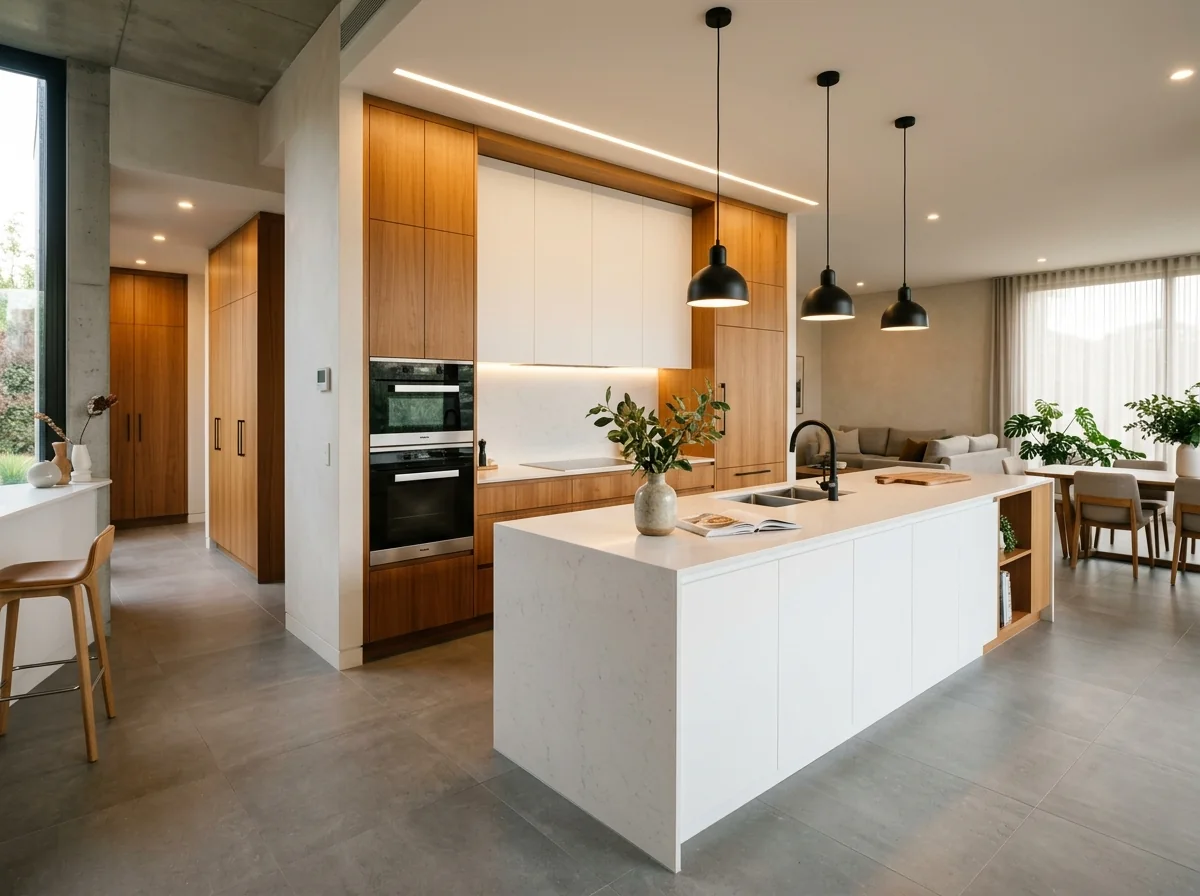
Step 1: Choose The Board Type
| WPC / PVC Board | WPC 3 Layer Board | |
|---|---|---|
| Build | Single-layer WPC / PVC board | Three layers, for a harder and smoother face |
| Best for | Kitchen and bathroom cabinets, wardrobes, office furniture and partitions | Premium furniture, modular kitchens and hospital interiors |
| Surface | Smooth, ready for laminate | Smoother and harder, ideal for a premium laminate finish |
| Both | 100% water proof, termite proof, fire retardant, free of formaldehyde and lead | 100% water proof, termite proof, fire retardant, free of formaldehyde and lead |
Step 2: Choose The Thickness
| Generally used for | |
|---|---|
| Thin boards | Back panels, drawer bottoms and shelf linings |
| Medium boards | Shutters, shelves and partitions |
| Thick boards | Carcasses, wardrobes and kitchen units that carry load |
This is general guidance. For the full thickness list, see the WPC Sheets & Boards product page, or share your drawing with our team.
Step 3: Plan The Finish
WPC boards have a smooth surface that takes laminate well. Choose a light solid colour for kitchens and wardrobes, a wood-grain laminate for living rooms and bedrooms, or a plain board for utility cabinets. Boards are also available in standard colours, so in some areas they can be used without a laminate.
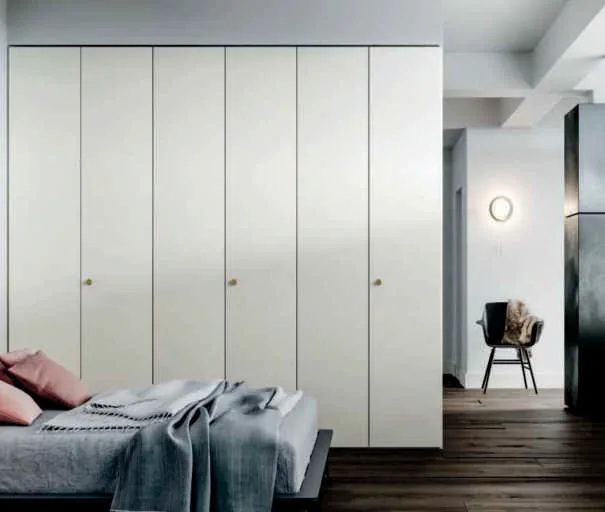
Where WPC Boards Help The Most
- Under the sink: no swelling from leaks and daily cleaning.
- Bathroom vanities: no layers opening up in humid air.
- Wardrobes against outer walls: no damage from wall dampness.
- Hospitals, schools and offices: easy to clean and termite proof.
Use WPC where water reaches: even if the rest of the furniture is made in another material, use WPC boards for the parts close to water, such as sink units and bathroom cabinets.
Common Mistakes To Avoid
- Using a thin board for a carcass that carries load.
- Leaving cut edges open in wet areas instead of finishing them with edge banding.
- Using screws made for plywood without checking the screw size for the board.
- Choosing a laminate from a screen only, without seeing a sample.
Common Questions
Can WPC Boards Replace Plywood?
Yes. They are sawn, routed, screwed, glued and laminated like plywood, and they are 100% water proof and termite proof.
Are WPC Boards Safe For Kitchens?
Yes. They are free of formaldehyde and lead.
What Is The Standard Sheet Size?
The standard sheet is 8 ft × 4 ft. Other sizes can be made on bulk orders.
What Is The Minimum Order?
It depends on the board, colour and thickness. Please contact our sales team for details.