
WPC Wall Louvers & Fluted Panels: 12mm, 15mm & 24mm Explained
Fluted wall panels and WPC louvers have quickly become the signature design element for modern Indian interiors. From TV unit backdrops and bedroom headboard panels to commercial reception features and exterior building facades, louvers introduce architectural shadow lines and rich wood textures without the upkeep of real timber.
However, many builders, interior designers, and carpenters struggle to choose the right louver profile. Green Plastwood manufactures three distinct interior series (12 mm 2G, 15 mm 8G, and 24 mm) alongside heavy-duty exterior co-extruded panels. Here is a clear breakdown of which profile to use where, how they compare, and how to install them seamlessly.
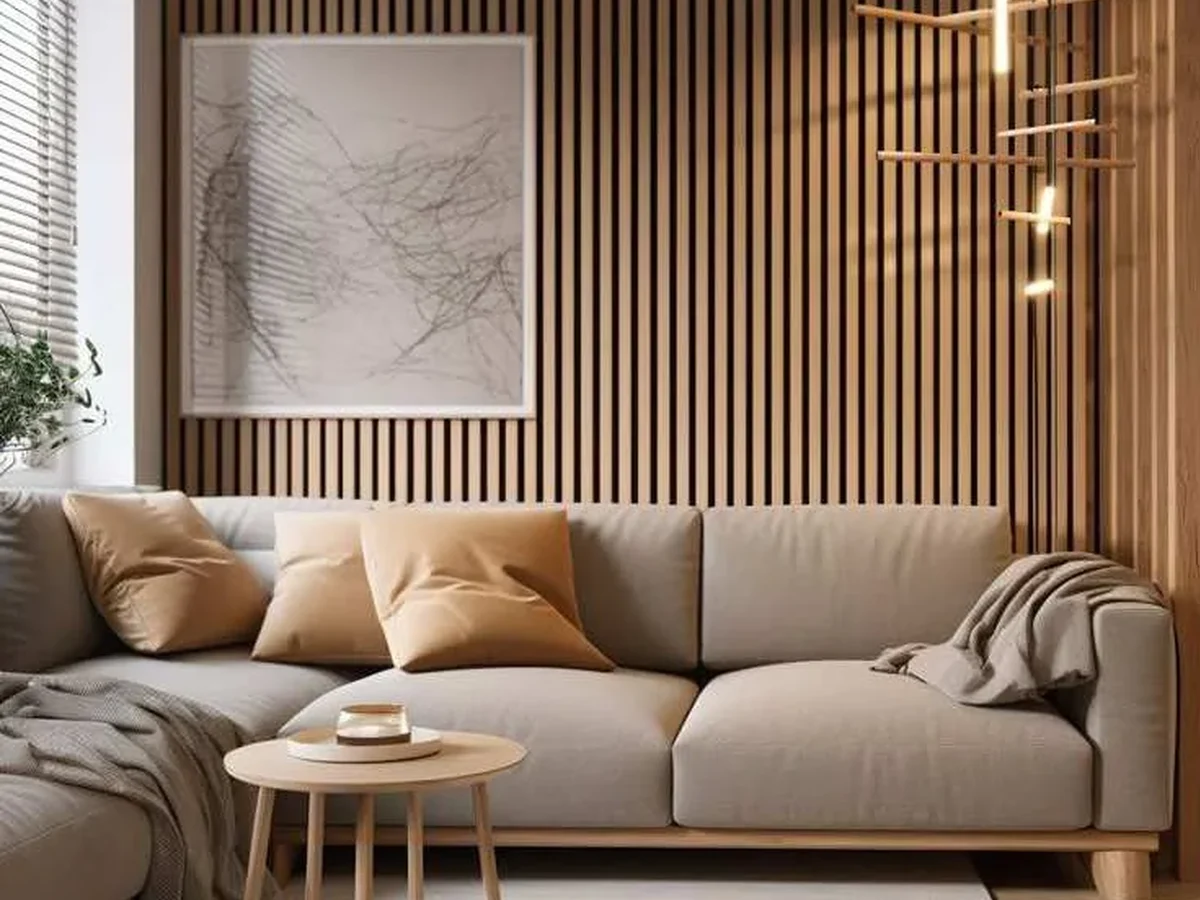
Profile Specifications & Comparison
| Specification | 12 mm 2G (Series 200) | 15 mm 8G (Series 300) | 24 mm Heavy (Series 100) | Exterior Co-Extruded |
|---|---|---|---|---|
| Panel Width | 200 mm (approx 8") | 165 mm (approx 6.5") | 165 mm (approx 6.5") | 215 mm (approx 8.5") |
| Standard Length | 2900 mm (approx 9.5 ft) | 2900 mm (approx 9.5 ft) | 2900 mm (approx 9.5 ft) | 8 ft & 10 ft lengths |
| Groove / Flute Pattern | 2 broad, bold flutes | 8 dense, slim flutes | Deep architectural relief | Heavy weather-lap joint |
| Primary Use | TV wall backdrops, wardrobes, bedrooms | Acoustic walls, feature ceilings, suites | Double-height walls, grand foyers, lobbies | Exterior facades, balcony soffits, gates |
| Water & Termites | 100% Water & Termite Proof | 100% Water & Termite Proof | 100% Water & Termite Proof | 100% Weatherproof & UV Protected |
| Joint Type | Interlocking Tongue & Groove | Interlocking Tongue & Groove | Interlocking Tongue & Groove | Concealed Flange Cladding |
| Available Finishes | Realistic wood grain, marble, solid colours | Warm oak, walnut, teak, grey marble | Deep wood textures, slate, charcoal | Brown, Teak, Grey |
All panels are manufactured from high-purity virgin polymer resins and recycled wood fibers at our Gujarat production plants under ISO 9001:2015 certification.
Where Each Series Works Best
12 Mm 2G (Series 200) – Clean, Minimal & Versatile
With its wide 200 mm coverage and clean double-groove geometry, the 12 mm panel is ideal for standard 9 to 10 ft residential rooms. It creates an uncluttered, modern linear texture that does not overwhelm compact rooms. Common applications include TV console feature walls, study room backdrops, and seamless wardrobe door panelling.
15 Mm 8G (Series 300) – Dense Fluting & Acoustic Dispersion
The 8-groove pattern creates a dense, premium rhythm that softens echoes and scatters sound reflections. It is the top choice for master bedroom bed headboards, home theatre acoustic walls, conference rooms, and luxury hospitality reception desks.
24 Mm Deep Profile (Series 100) – High-impact Depth & Grand Scale
When walls exceed 10 feet in height—such as living rooms with double-height ceilings, hotel lobbies, and showroom atriums—flutes under 15 mm can appear flat from a distance. The 24 mm profile casts pronounced, dramatic shadows that command attention across large spaces.
Exterior Co-extruded Louvers (215 Mm) – All-weather Building Facades
Unlike interior PVC panels, Green Plastwood Exterior Louvers are engineered with a co-extruded shield containing UV stabilizers and anti-oxidants. They withstand heavy monsoons, intense direct sunlight, and extreme temperature variations without warping, cracking, or fading.
Rule of thumb: For standard 9–10 ft ceiling heights, choose 12 mm 2G or 15 mm 8G for balanced proportions. Choose 24 mm only when the room viewing distance exceeds 12 feet, so the dramatic shadows have room to breathe.
Carpenter Guide: How To Install WPC Louvers Step By Step
- Wall Preparation: Ensure the plaster wall is dry and flat. If the wall has dampness or uneven plaster, fix a light aluminium or WPC batten grid at 300 mm centres first.
- Perimeter Alignment: Fix the starting L-angle or J-trim along the bottom skirting and side corner using countersunk screws.
- First Panel Placement: Slot the first louver panel into the starting trim, checking plumb with a spirit level.
- Concealed Clip / Screw Fixing: Fasten the female groove edge to the wall/framework using stainless steel clips or fine self-tapping countersunk screws. No screws will show on the finished surface.
- Interlocking Sequence: Slide the male tongue of the next panel directly into the female groove until it clicks tight. Repeat across the wall.
- Cutting & Finishing: WPC louvers cut cleanly with a fine-toothed hand saw or 80-tooth circular saw blade without chipping or fraying edges. Finish top and corner joints with matching edge profiles.
Common Questions
Can WPC Louvers Be Used In Bathrooms And Kitchens?
Yes. Green Plastwood louvers are 100% water and moisture resistant, so they can be used in kitchens, bathrooms and other humid areas.
Do They Need Polishing Or Painting?
No. All 63 designs across the 100, 200, and 300 series come factory pre-finished. There is no need for melamine polish, PU coating, or touch-ups.
How Do You Clean And Maintain Them?
Routine dusting with a microfiber cloth or gentle wiping with a mild soapy damp cloth is all that is required. The stain-resistant surface repels grease and dust.